Psilocybin and Anxiety Clinical Study: Targeting the Default Mode Network for Anxiety
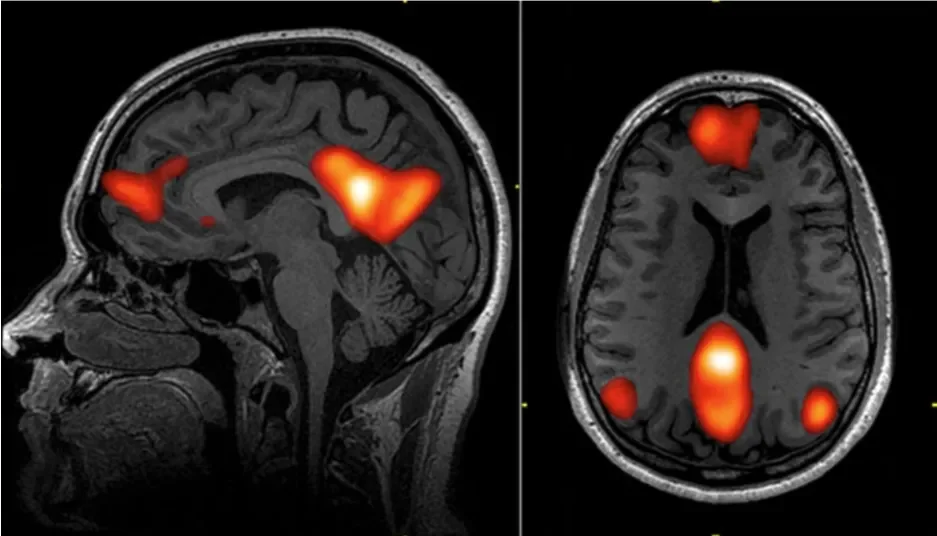
Rising anxiety disorders across U.S. demographics have prompted exploration of alternatives to conventional pharmaceuticals. Recent neuroimaging and clinical research demonstrate that targeting the brain's Default Mode Network (DMN) with psychedelic therapies could play an integral role in managing anxiety symptoms.
What is the Default Mode Network?
The DMN represents a set of interconnected brain regions that become most active during self-referential thought and introspection — when we're daydreaming, reflecting on the past, or projecting into the future. This network evolved to aid survival through self-reflection and social cooperation.
However, hyperactivity in the DMN correlates with repetitive negative thinking, rumination, and the persistent unease characteristic of anxiety states. When this network becomes overactive, we get stuck in loops of worry and self-critical thought.
Psilocybin's Mechanism of Action
A pivotal 2012 study by Carhart-Harris et al. demonstrated that psilocybin administration produces significant decreases in DMN activity. This disruption of the network's usual patterns may interrupt the negative thought cycles that drive anxiety.
A commonly used metaphor describes entrenched thought patterns as ski ruts in the snow — deep grooves that the mind follows automatically. Psilocybin functions like a fresh snowfall, erasing the old tracks and allowing new paths to form.
Neuroplasticity Enhancement
Beyond quieting the DMN, psilocybin has been shown to increase the brain's capacity to form new synaptic connections. Research by Ly et al. (2018) demonstrated that psychedelics promote structural and functional neural plasticity — essential for restructuring rigid thought patterns and establishing healthier neural circuits.
This combination of DMN modulation and enhanced neuroplasticity presents significant therapeutic potential. It offers hope not only for those with severe anxiety disorders, but also for high-functioning individuals whose everyday anxiety limits their quality of life.
Clinical Implications
The emerging research suggests that psilocybin-assisted therapy may offer a fundamentally different approach to anxiety treatment — one that addresses root neural patterns rather than simply managing symptoms. By temporarily disrupting the DMN and promoting new neural connections, a single or small number of sessions may produce lasting changes that daily medications cannot.
At Meadow Medicine, we integrate these research insights into our clinical approach, combining careful preparation, guided psilocybin experiences, and thorough integration to support lasting relief from anxiety.